 Bright Solution
 Real Estate and Property 101
 April 09, 2025

When planning to invest in off-plan properties, the first step is to define your goals. Before investing in property, just like any other investment, make sure you are clear on what you want to achieve.
What is Off-Plan Property?
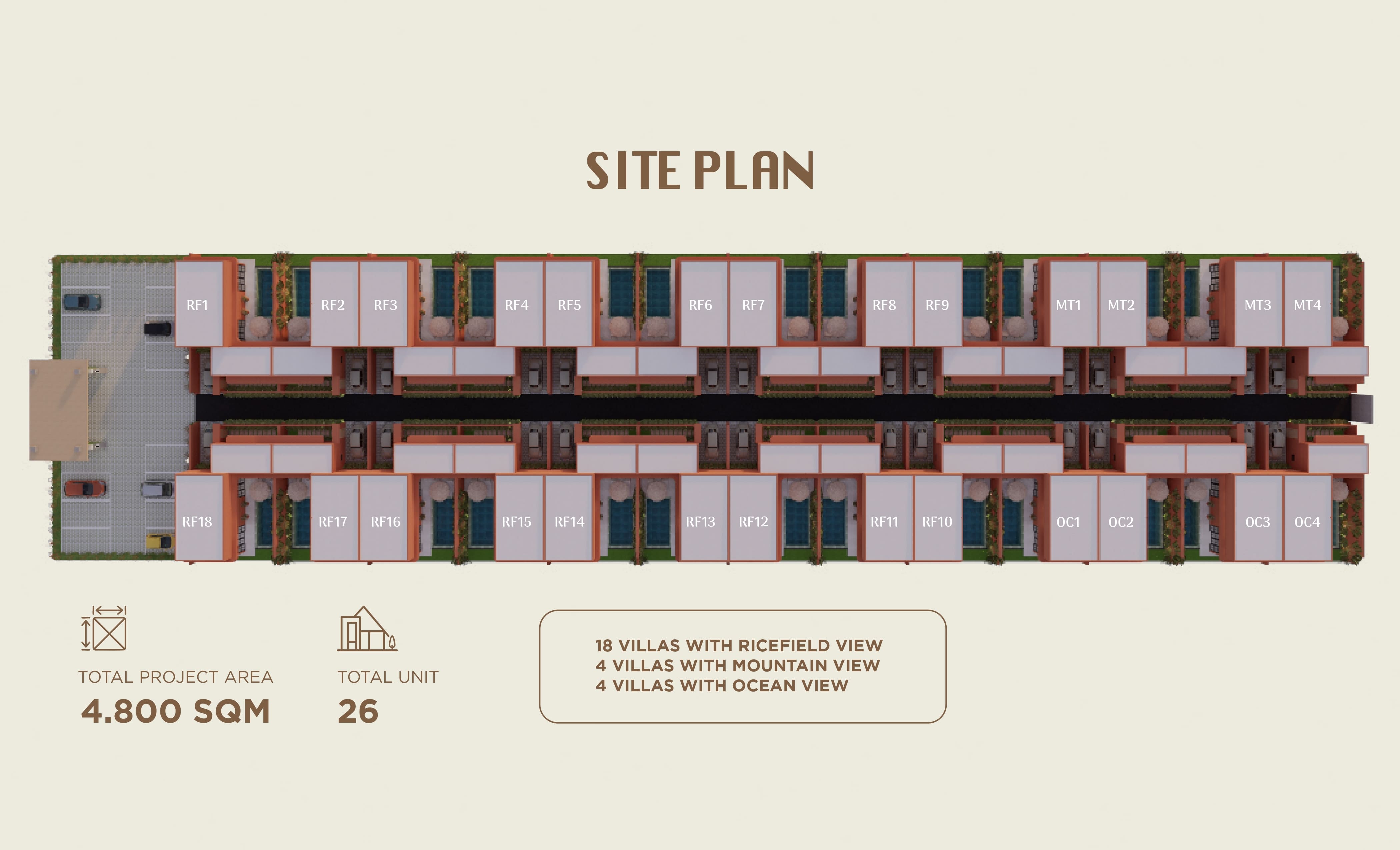
Off-plan property refers to real estate that has not yet been completed. Purchasing an off-plan property means buying a property based on the developer’s design or development plans. The term generally refers to properties purchased before construction begins, although properties that are under construction or even recently completed are sometimes also categorized as off-plan. While off-plan property investment may seem complex to some investors, this type of investment offers several distinct advantages.
What is Off-Plan Property Investment?
Off-plan property investment occurs when an investor purchases a property that is still in the planning or construction stage. There are many reasons why investors choose off-plan properties. Understanding the characteristics of off-plan investments can help you make more informed decisions if you are considering this type of investment.
What Are The Essential Factors to Consider When Investing?
When planning an off-plan property investment, the first step is to clearly define your investment objectives. As with any investment, it is important to understand what you aim to achieve. Consider the investment potential, expected returns, and possible risks involved. Next, carefully determine the type of property you plan to invest in, whether residential or commercial. Choosing the right property type is particularly important in off-plan investments due to the time gap between purchase and project completion.
Location is another critical factor. Rather than focusing solely on short-term outcomes, investors should evaluate the long-term prospects of the area. For example, in commercial off-plan property investments, it is essential to assess urban development trends and supporting infrastructure.
Off-plan property may be suitable for investors seeking alternatives beyond standard market offerings. However, thorough research and careful consideration remain essential before making any investment decision. In practice, this type of property is generally favored by investors with specific goals and investment profiles.

Any property investor seeking something different from the typical offerings in the market should consider purchasing off-plan properties. As always, proceed with caution and do thorough research before making such an investment.
Who Is Interested in Buying and Investing in Off-Plan Properties?
Off-plan properties are typically attractive to investors who focus on asset value growth and are willing to wait for returns over the medium to long term. This group includes individual investors, property business operators, and those looking to build a property portfolio from the early stages of development.
The lower initial purchase price compared to completed properties is a major attraction. During the construction phase, property values may increase, especially if the project is located in a rapidly developing area with strong demand. As a result, off-plan properties appeal to investors seeking capital gains as well as long-term investment opportunities.
Why do property investors choose to buy homes that are not yet finished?
Overall, off-plan property investment is considered a viable option. Below are two key reasons most commonly considered by investors.
Below-Market Prices
Off-plan properties are generally offered at prices below market value. With a lower entry price, investors have the opportunity to maximize their investment value as property prices increase once construction is completed.
Modern Design and Features
As newly built properties, off-plan developments are highly attractive to tenants and end buyers who prefer modern designs and up-to-date facilities. This makes off-plan properties more competitive in both the rental and resale markets.
How Popular Is Off-Plan Property Become as an Investment Instrument?
Off-plan property is becoming increasingly popular as a future-focused investment trend in many regions. With strong profit potential and growing opportunities, the off-plan property market continues to show consistent growth. One of the main drivers of this popularity is the opportunity for investors to enter at an early development stage, when property values have not yet fully reflected the area’s potential.
In addition, off-plan properties are typically offered at lower purchase prices compared to market prices after completion. This creates significant profit opportunities, and many investors achieve capital gains as property values increase over time.
Another advantage is the new-build status of off-plan properties, which generally eliminates the need for costly renovations and allows for customization based on buyer preferences. This is particularly appealing to investors seeking properties that are ready for rental or occupancy. Off-plan properties also offer design flexibility, such as interior layouts or specific facilities tailored to individual needs.
Why Off-Plan Properties Are a Profitable Investment Choice?
The main advantages of off-plan property investment include lower purchase prices compared to post-completion market values, allowing investors to buy at a discount and sell at a higher price. Newly completed properties are usually ready for rental without major renovation, making it easier for investors to generate rental income.
In addition, investors often have the opportunity to customize property designs to suit market demand or personal preferences, including interior finishes and amenities. With the right location and strong development growth, off-plan properties can deliver substantial investment returns, particularly in emerging areas. With these advantages, off-plan property can be a smart option for investors seeking to secure their financial future in both the short and long term.
Risks of Off-Plan Property Investment
Like any investment, off-plan property carries risks that should be understood from the outset. One of the most common risks is construction delays, which can affect rental or resale plans. Developer credibility and track record are also critical factors, as project quality depends heavily on the developer’s ability to complete construction as planned.
Changes in market conditions and regulations may also impact investment value over the medium and long term. Understanding these risks enables investors to make more measured and rational decisions.
Key Due Diligence Steps Before Buying Off-Plan Property
Before purchasing an off-plan property, investors should conduct thorough due diligence. An important first step is reviewing the developer’s track record and previously completed projects. Next, ensure that the land status and property permits are clear and aligned with the intended use.
Investors should also understand the payment structure, construction timeline, and project milestones to avoid potential issues in the future. Proper due diligence helps minimize risk and enhances investment security.
Is Off-Plan Property Suitable for Foreign Investors?
Off-plan property can be an attractive investment option for foreign investors, provided that ownership structures and legal aspects comply with Indonesian regulations. Foreign investors typically invest through usage rights, leasehold arrangements, or specific legal structures that allow lawful ownership.
Therefore, a clear understanding of land status, property permits, and the applicable legal framework is essential before making a purchase. With the right professional guidance, off-plan property investment can be carried out safely and sustainably by both local and foreign investors.
Not familiar with the term? Learn what is leasehold property and how it works.
Conclusion
Off-plan property is a form of investment that offers attractive opportunities, particularly for investors focused on asset value growth over the medium to long term. With relatively lower initial purchase prices, new-build status, and strong potential for value appreciation in developing areas, off-plan properties can play a strategic role in an investment portfolio.
However, off-plan property investment requires careful planning and due diligence. Understanding the associated risks, market conditions, and legal requirements is essential before making a decision. By conducting thorough due diligence and working with experienced professionals, off-plan property investment can be pursued safely and sustainably by both local and foreign investors.


