 Bright Solution
 Property Laws and Regulations
 July 14, 2025
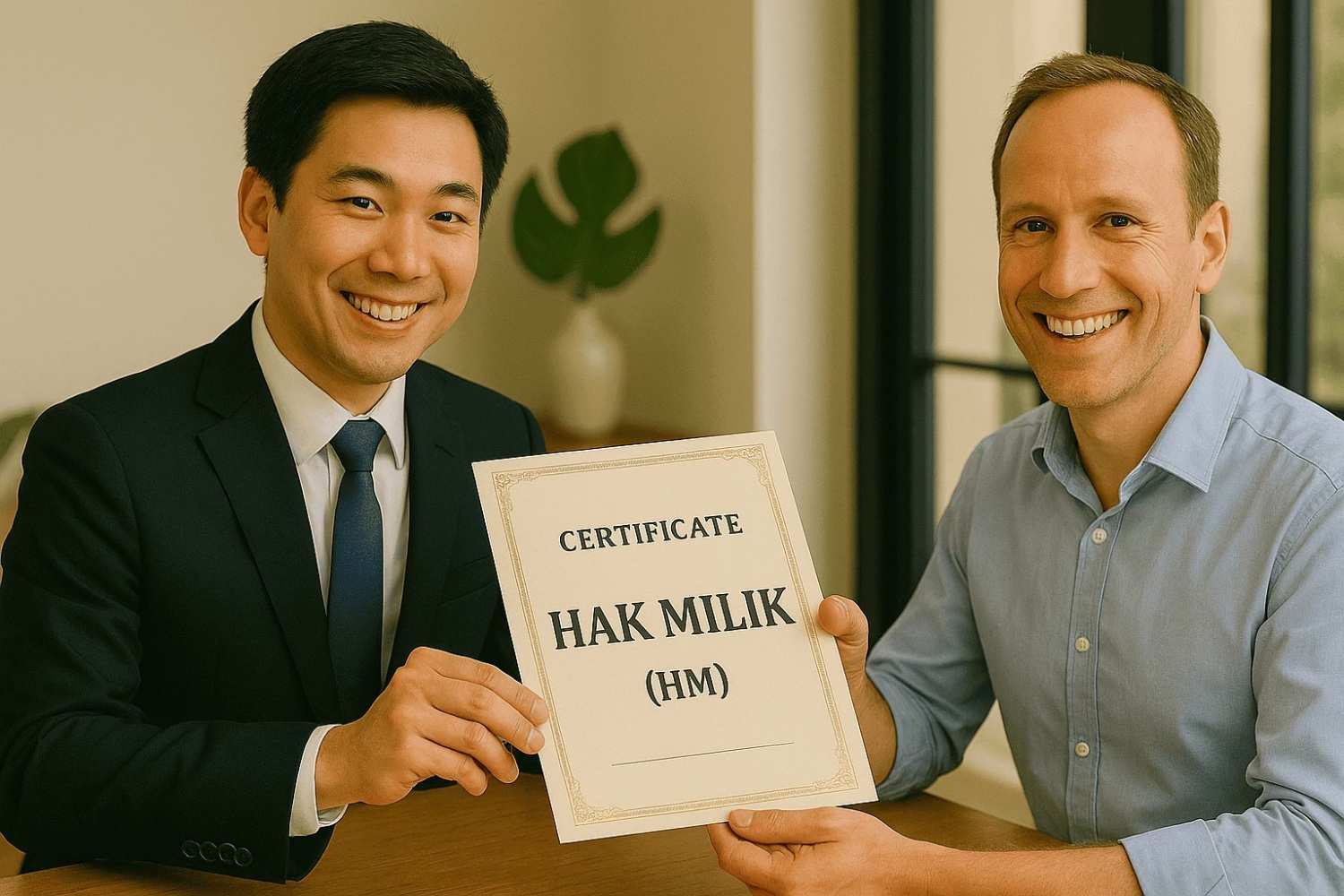
Bali is known as one of the most desirable regions in Indonesia, attracting not only international tourists but also local residents. As interest in the Balinese lifestyle continues to increase, so does the demand for property on the island. Many people are interested in purchasing land or buildings, whether for living, running a business, or as a long term investment. However, owning property in Indonesia is not only about choosing a strategic location. Each type of land ownership and usage comes with its own legal basis and administrative requirements.
That is why it is important to fully understand the types of land rights and permits that apply before making any decisions. This article explains ten of the most relevant types of land rights and property permits in Bali. By understanding their legal status and conditions, you can make the best decisions based on your needs while remaining compliant with the applicable laws in Indonesia.
Sertifikat Hak Milik (SHM)
Freehold Title is the strongest form of land ownership in Indonesia. The holder of this right has full control over the land and any buildings on it, with no time limit. This type of ownership is exclusively available to Indonesian citizens, and foreign nationals or foreign owned entities are not allowed to directly own land under a Freehold Title. If you are a foreign investor, this option is only accessible through a partnership with an Indonesian citizen or by establishing a local entity under specific legal arrangements.
Hak Sewa (HS)
Leasehold provides the right to lease property for a specified period of time. For foreign nationals and foreign legal entities such as a PT PMA, this is one of the legal methods to control property in Indonesia. Lease periods generally start from 25 to 30 years and can be extended up to a total of 80 years. Although the lessee does not own the land directly, a properly executed lease agreement offers full legal protection throughout the duration of the contract.
Sertifikat Hak Pakai (SHP)
Right to Use grants the holder the right to use land or buildings, typically for private residential purposes. This right can be held by foreign nationals, provided they have a valid residency permit such as a KITAS or KITAP. The Right to Use does not confer full ownership of the land, and its use is strictly limited to personal residence. Properties under this status cannot be rented out commercially. It is a suitable option for foreigners who wish to live in Bali without the intention of running a business from the property. This type of land title in Bali allows foreigners to reside legally, although it does not grant full ownership rights.
Sertifikat Hak Guna Bangunan (SHGB)
Right to Build grants the holder the right to construct and own buildings on land that does not belong to them. This right is commonly used by companies, including PT PMA, to develop properties such as villas, offices, or other commercial facilities. The initial term is typically 30 years and can be extended according to regulations. This right allows the building to be sold, inherited, or used as collateral, as long as the land status complies with the law. It is one of the most commonly used legal schemes by foreign investors for property development in Indonesia.
Sertifikat Hak Guna Usaha (SHGU)
Right to Cultivate grants the holder the right to manage and utilize land for agricultural, plantation, or livestock purposes. The initial term typically ranges from 25 to 35 years and may be extended. This type of right can only be held by Indonesian citizens or Indonesian legal entities, including PT PMA operating in the agricultural sector. While it is not commonly used for residential property, the Right to Cultivate is essential for investors planning land-based business activities in Bali.
Hak Milik atas Satuan Rumah Susun (HMSRS)
This right applies to residential units in multi story buildings, such as apartments that are privately owned by individuals, often referred to as condominiums in legal terms. Each unit can be individually owned, while the land on which the building stands is typically held jointly under another title, such as Right to Build. Foreign nationals with permanent residency permits may also own apartment units, provided the property complies with zoning regulations and legal requirements. This offers a relatively flexible option for foreigners seeking to own property in urban areas of Bali.
Hak Pengelolaan (HPL)
Right of Management is a right granted by the state to certain entities or institutions to manage and regulate the use of land. This right does not confer land ownership but allows the holder to control, utilize, and collaborate with third parties through other rights such as the Right to Build. It is typically held by government institutions, state owned enterprises, or industrial zones. For individual investors, this right is generally not relevant unless they are involved in large scale joint development projects.
Persetujuan Bangunan Gedung (PBG)
Building Approval (Persetujuan Bangunan Gedung or PBG) is a document that replaces the previous Building Permit (IMB). This document is mandatory before starting any new construction, major renovation, or change in building function. The PBG ensures that the building’s design and structure comply with technical standards and spatial planning regulations set by the government. Without a PBG, the construction is considered illegal and may be subject to administrative sanctions.
Sertifikat Laik Fungsi (SLF)
Certificate of Proper Function, or SLF, is a document that certifies a building is suitable for use according to its designated function. Once construction is completed and the Building Approval (PBG) has been issued, the owner must apply for the SLF before the building can be occupied or used. The SLF is essential to ensure that the structure meets safety, health, and comfort standards. This certificate is also often required when applying for business permits or other additional licenses.
Izin Pondok Wisata
A Pondok Wisata license is required for property owners who wish to rent out their house or villa as short term accommodation, such as a homestay or guest house. This license applies to properties with a limited number of rooms, typically no more than five. If the property has more than five rooms, the owner must apply for a formal hotel license. The Pondok Wisata license can generally only be obtained by Indonesian citizens or locally owned companies. However, foreign investors can still operate rental businesses through partnerships with local entities such as a PT.

Next Step
Understanding the different types of land rights and property permits in Bali in 2026 is not only a matter of legal compliance, but also a crucial step to avoid potential losses or future disputes. Whether you are buying for residential purposes or as a long term investment, make sure that all documents, land titles, and land statuses comply with the regulations in Indonesia. If you are unsure, consult with a notary, land deed official (PPAT), or a trusted property advisor to ensure every step you take is safe and well guided.
If you are ready to get started in 2026 or want to explore the options that best suit your needs, we are here to answer your questions and provide the guidance you need.


